Handshakes and Hard Lessons: Inside Starkville's Quiet Mentorship Movement
There's no formal application. No fee to join. No glossy brochure sitting on a front desk somewhere. In Starkville, some of the most powerful business relationships in town started with something as simple as a coffee order at a familiar counter or a conversation after a Chamber of Commerce meeting that ran long.
That's the nature of mentorship here — organic, deliberate, and deeply rooted in the kind of community trust that takes years to build.
More Than Just Advice Over Coffee
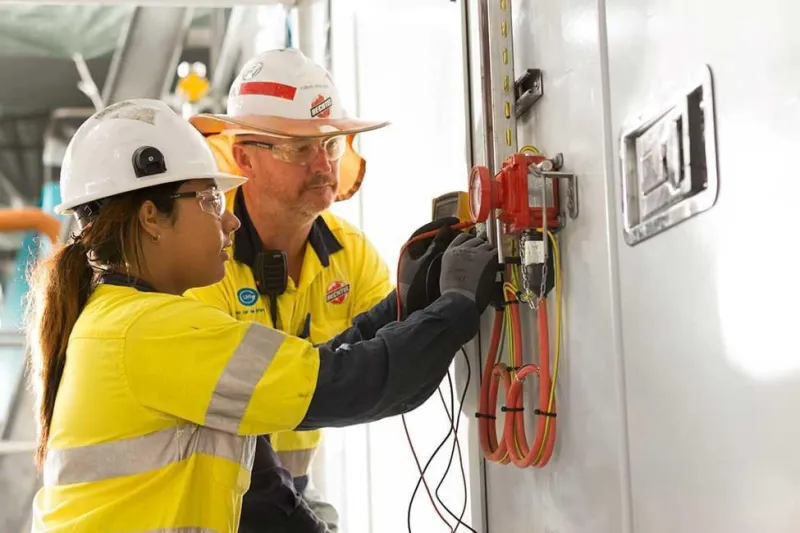
Mentorship circles in Starkville don't always look like the polished programs you might find in bigger metro areas. There's no cohort of twenty people sitting in a conference room with name tags. More often, it's a veteran business owner who's seen a few economic cycles making time on a Tuesday afternoon for someone who just signed their first commercial lease.
That one-on-one dynamic matters. When you're brand new to running a business in a tight-knit town like Starkville, the stakes feel personal. You're not just worried about revenue — you're thinking about how your neighbors perceive you, whether your business fits the community, and how to build a customer base that's going to stick around through the slow months.
Experienced mentors understand that because they lived it. And when they sit across from someone navigating those same early anxieties, they're not just offering a business strategy — they're offering reassurance backed by real experience.
The Ripple Effect Nobody Talks About
Here's what often gets overlooked in conversations about mentorship: the benefits don't stay contained to the two people in the room. When a new business owner in Starkville gets good guidance early on, the downstream effects spread through the whole community.
A well-mentored entrepreneur is more likely to hire locally, buy from neighboring suppliers, and eventually turn around and mentor someone else. That cycle of reinvestment — financial, social, and intellectual — is one of the quieter reasons Starkville's small business community has shown real staying power even when the broader economic climate gets choppy.
Think about what happens when a new restaurant owner learns from someone who's already figured out which local vendors are reliable, which permit processes take longer than expected, and which community events are worth sponsoring for visibility. That knowledge doesn't just help one business. It tightens the whole ecosystem.
Formal Networks and the Unwritten Rules
While a lot of mentorship in Starkville happens informally, there are also more structured touchpoints where these relationships tend to form. The Starkville-MSU Area Chamber of Commerce has long served as a gathering ground where established owners and newcomers cross paths. Local networking breakfasts, industry-specific meetups, and even faith community connections have all played roles in sparking mentorship relationships that later deepened into something more meaningful.
Mississippi State University's presence also shapes the mentorship landscape in ways that are easy to underestimate. The university draws entrepreneurially minded graduates who sometimes stick around or return after a few years elsewhere. When those individuals plug into existing business networks, they often find mentors who bridge the gap between academic theory and the practical realities of running a business in a mid-sized Southern college town.
There's also an informal code at work — a kind of unspoken expectation among Starkville's business community that if someone helped you get started, you pay that forward when the time comes. It's not always stated out loud, but it's felt.
What Makes These Relationships Actually Work
Not every mentorship pairing clicks. Sometimes the chemistry's off, or the timing isn't right, or one party isn't as invested as the other. The mentorship relationships that genuinely thrive in Starkville tend to share a few common threads.
First, there's mutual respect — the mentor isn't talking down, and the mentee isn't just nodding politely while waiting to do things their own way regardless. Second, there's consistency. The relationships that produce real results aren't one-time conversations; they're ongoing check-ins that evolve as the mentee's business grows and their questions get more sophisticated.
Third — and this one's underrated — there's honesty. Starkville is small enough that vague, overly diplomatic advice doesn't serve anyone well. The best mentors here aren't afraid to say "that's a mistake I already made, and here's exactly what it cost me." That directness is a gift, even when it stings a little in the moment.
Growing the Next Wave
What's encouraging about the mentorship culture taking shape in Starkville is that it's not waiting on any single institution to lead the charge. Business owners are taking initiative themselves — reaching out, making introductions, creating space for the next wave of entrepreneurs to find their footing faster than they did.
For a community that's always prided itself on looking out for its own, that instinct makes a lot of sense. Starkville's economic health isn't just tied to big employers or outside investment. It's built, in meaningful part, on the success of the people who chose to open something here and stuck with it.
Every mentorship relationship that takes root is a small bet on the future of this town. And from where we're standing, those bets are paying off.
Thomas Bros Starkville is proud to spotlight the people and relationships that make this community stronger. Got a mentorship story worth sharing? We'd love to hear it.